
Animal Personality Quiz: Discover Your Inner Creature
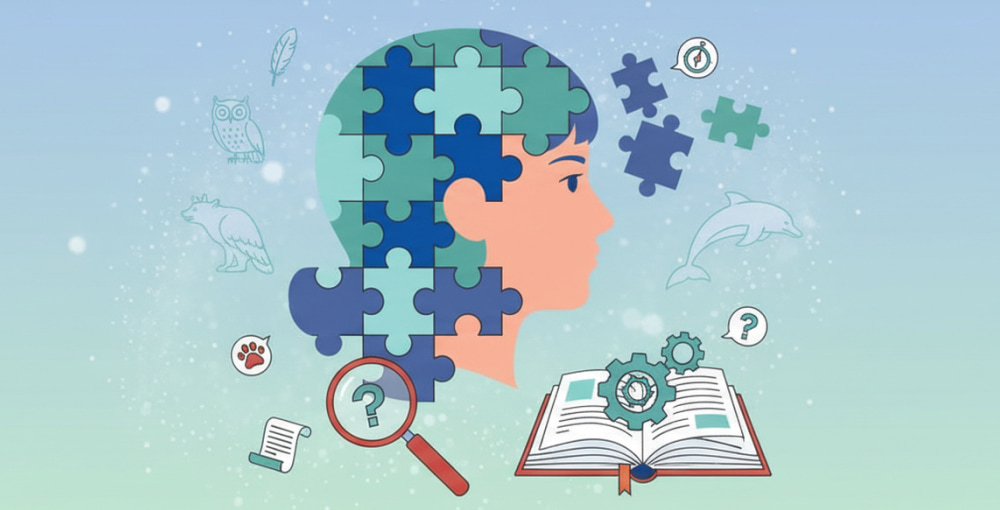
Which Animal Is Your Spirit?
Get StartedWhy We’re Drawn to Creature-Based Personality Tests
Something about seeing our quirks reflected through the lens of the wild instantly sparks curiosity. The imagery is vivid, the metaphors are memorable, and the conclusions feel more relatable than cold charts or jargon. Instead of being told you’re “high in assertiveness,” you’re invited to envision a leopard’s stealth, a dolphin’s playfulness, or an owl’s deliberation. That mental picture sticks, and it often opens a door to self-awareness without the heavy lift of formal diagnostics. Quizzes framed around fauna blend storytelling, psychology, and entertainment, which reduces friction and increases follow-through.
Beyond novelty, this style of assessment can spotlight patterns in decision-making, communication, and stress responses. Many readers take the animal personality quiz out of curiosity, yet they leave with a surprisingly vivid reflection of their daily choices. The archetypal angle also makes conversations easier, because talking about “my inner fox” is far less vulnerable than dissecting weaknesses. In the process, reflection transforms into a friendly exploration that invites nuance. When done well, the experience guides people to calibrate habits, set gentler boundaries, and recognize strengths that already exist but rarely get airtime in routine life.
- It’s playful, which lowers defensiveness and invites honesty.
- It’s visual, making insights stickier and easier to share.
- It’s accessible, offering quick feedback within minutes.
How These Quizzes Work: Archetypes, Psychology, and Game Design
Underneath the charming animal icons, a careful structure powers the experience. Thoughtful quizzes borrow ideas from psychometrics, like trait continuums and forced-choice tradeoffs, while avoiding clinical claims. They weave archetypal stories, predator or protector, navigator or nurturer, into branching logic that scores your responses against patterns. Good question design avoids obvious “right” answers, introduces subtle context shifts, and evaluates consistency. That structure transforms a lighthearted activity into a meaningful nudge toward self-knowledge.
Titles and interfaces may feel whimsical, but solid logic still matters. A broad, playful title such as the what animal are you personality quiz hides a backbone of decision trees and validated constructs. When inputs are balanced across domains, social energy, risk tolerance, planning style, the resulting match feels earned rather than random. Designers also consider the Barnum effect, writing results that feel personal without becoming vague. When users see strengths, blind spots, and practical tips, the depiction reads as actionable guidance rather than mere flattery.
- Branching logic that tests consistency across different scenarios.
- Neutral wording that avoids leading the participant.
- Results that include strengths, cautions, and growth suggestions.
Real-World Benefits for Individuals, Teams, and Educators
While the experience is entertaining, the uses stretch far beyond casual fun. Individuals can translate insights into communication tweaks, daily routines, and better boundaries. A “hawk” might schedule deep-focus mornings; a “otter” could plan social breaks to refuel. Over time, these micro-adjustments stack into measurable gains in energy and efficiency. The animal frame also boosts recall: it’s easier to remember “be the turtle in negotiations” than to memorize a checklist of tactics. That easy recall translates into behavior change when stakes are high.
In groups, animal metaphors create a neutral language for collaboration. For icebreakers, a concise personality animal quiz unlocks approachable conversation without prying into sensitive topics. Managers can facilitate a discussion where each person shares how their creature prefers feedback, focuses attention, or handles deadlines. Educators can assign reflective prompts that help students connect their strengths to study strategies, reducing one-size-fits-all advice. This shared vocabulary can diffuse friction, because it’s easier to say, “I’m in hedgehog mode today; please send context” than to spiral into conflict.
- Fast, engaging icebreakers that still offer substance.
- Team charters informed by diverse work styles.
- Classroom reflections tied to resilient study habits.
Interpreting Results Wisely: Depth Without Dogma
Results are most helpful when treated as a compass rather than a cage. The best takeaways come from noticing patterns across situations, not from clinging to a single label. If your match suggests “owl,” consider where thoughtful analysis serves you and where it slows progress. Then experiment with small, reversible tweaks, like time-boxing research or batching decisions, so you test what works without risking too much. In other words, use your animal as a starting hypothesis.
Labels should never shrink possibility, so pair curiosity with compassion. If a friend shares their result from a personality quiz spirit animal, focus on themes and contexts instead of absolutes. You might be a fox at work and a golden retriever at home, and that multifaceted nature is normal. Watch for confirmation bias and the temptation to excuse poor behavior with a clever mascot. The wisest approach blends honest awareness with flexible experimentation, allowing your habits to evolve as your goals and environment change.
- Treat patterns as clues, not commandments.
- Adapt strategies to different roles and settings.
- Revisit results periodically as circumstances shift.
Result Styles at a Glance: Comparing Frameworks and Use Cases
Not every quiz uses the same scaffolding, and that’s a feature, not a flaw. Some prioritize speed with a handful of punchy questions; others emphasize nuance with scenario-based prompts. Before choosing, scan whether a which animal are you personality quiz emphasizes strengths, challenges, or growth pathways. Then match the format to your purpose: a quick morale boost for a meeting opener, or a richer map for personal development. A clear understanding of styles prevents mismatched expectations and makes the insights far more practical.
The quick comparison below highlights common result frameworks, the types of animals they lean on, and where they shine. Use it to select the right experience for your time, audience, and desired depth. When your goals align with a format, the results feel more precise and the recommendations land with clarity.
| Framework | Typical Animals | Core Traits Emphasized | Best For | Caution |
|---|---|---|---|---|
| Archetype Narrative | Fox, Owl, Bear, Dolphin | Story-driven strengths, motifs, symbols | Coaching, journaling, creative teams | May feel abstract without concrete tips |
| Trait Spectrum | Hawk, Tortoise, Otter, Elephant | Energy, risk, planning, empathy | Personal habits and routines | Risk of over-simplifying complex behavior |
| Workstyle Grid | Lion, Beaver, Dove, Eagle | Communication, pace, decision style | Team norms and feedback rituals | Labels can harden into stereotypes |
| Rapid Social Quiz | Cat, Dog, Panda, Raccoon | Engagement, relatability, humor | Icebreakers and morale boosts | Surface-level insights if used alone |
Treat this chart as a menu, not a hierarchy. The “best” choice depends on whether you want levity, depth, or practical workplace alignment. If you’re facilitating a workshop, you might pick a grid-style assessment and then invite story-based reflection to round it out. By blending formats, you keep the fun while upgrading the usefulness, ensuring takeaways translate into habits that actually stick.
Tips for Accurate, Insightful Results
A little preparation makes outcomes clearer and more actionable. Start by choosing a quiet moment and answering quickly, without over-editing to sound ideal. Honest first impulses reveal steady patterns you already live day to day. If you waffle on a question, imagine a recent scenario and choose the option that best matches your real behavior. Then read the results slowly and extract two practical adjustments you can try for a week. Tiny experiments beat grand resolutions.
Creating a feedback loop turns insights into a sustainable routine. To avoid guess bias, approach a what type of animal am i personality quiz when you feel calm and unrushed. Afterward, write down one strength to lean into and one friction point to smooth. Share the summary with a friend or teammate and ask what they observe, then iterate. Within a month, you’ll have a tailored playbook that reflects your life, not just a cute headline or fleeting social post.
- Answer based on typical behavior, not aspirational ideals.
- Use examples from the last two weeks to ground choices.
- Extract two small experiments and schedule them.
- Invite outside perspective to counter blind spots.
FAQ: Common Questions About Animal-Themed Personality Tests
Are these quizzes scientifically valid?
They can be thoughtfully designed without claiming clinical validity. The best versions borrow from established trait theory and pair it with approachable metaphors, framing results as guidance rather than diagnosis.
How long should a good quiz take?
Most high-quality options take 5–10 minutes, balancing speed with enough items to spot patterns. If you want deeper nuance, look for scenario-based prompts and allow a bit more time.
Can teams use the results without stereotyping coworkers?
Yes, if you treat labels as conversation starters. Encourage people to share preferences and boundaries, and update team norms based on real needs rather than fixed categories.
What’s the best way to act on my result?
Translate insights into two small, time-bound experiments. Revisit after a week, keep what worked, and adjust the rest. Over time, this iterative approach builds sustainable change.
Should I retake a quiz later?
Retaking can be useful after major life changes or role shifts. Compare new insights with your previous notes to see which habits remained stable and which evolved.
When approached with curiosity, creature-based typologies turn reflection into a lively, memorable practice. By picking the right format, answering honestly, and applying bite-sized experiments, you’ll convert playful insights into steady, real-world improvements that last.